
Empowering Doctoral Candidates to Defend With Confidence
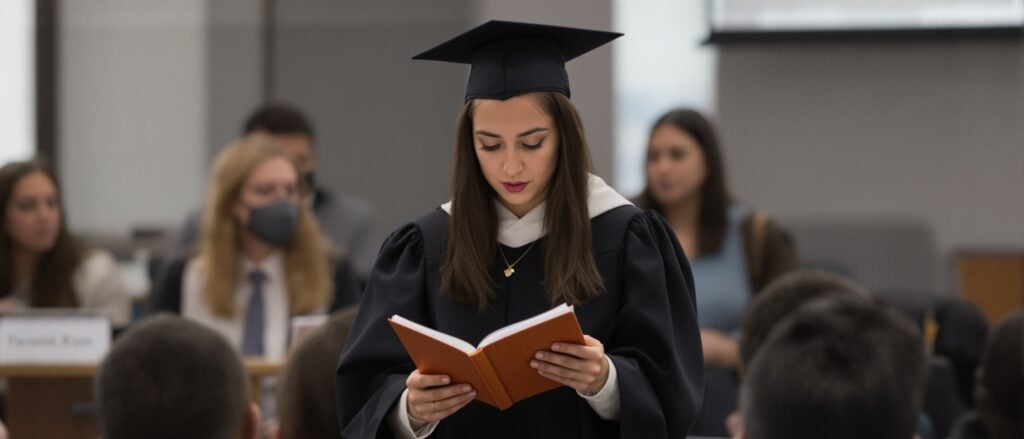
Three weeks before her defense, Dr. Rebecca Torres was having nightmares about her committee grilling her with questions she couldn’t answer. Despite spending four years on her educational psychology dissertation, she felt unprepared for the oral examination that would determine whether she earned her doctorate.
“I knew my research inside and out,” Rebecca recalls, “but I kept imagining scenarios where committee members would ask about aspects I hadn’t considered or challenge my methodology in ways I couldn’t defend. The anxiety was paralyzing.”
Rebecca’s experience reflects the reality that dissertation defenses represent more than just presentations—they’re comprehensive examinations where students must demonstrate mastery of their research, defend their methodological choices, and articulate their contributions to their field under intensive questioning.
When Rebecca discovered professional defense coaching services, her entire approach to preparation transformed. Working with experts who understood defense dynamics and committee expectations, she developed the confidence and presentation skills needed to defend her research successfully.
Combined with professional dissertation support that had helped her build strong research foundations throughout her program, the defense coaching enabled Rebecca to approach her examination with confidence rather than anxiety.
The Universal Anxiety of Dissertation Defense
Understanding why defenses create such intense anxiety helps explain why professional preparation can transform the experience for nervous doctoral candidates.
High Stakes and Years of Investment
Dissertation defenses represent the culmination of years of academic work, representing significant financial, emotional, and professional investment that creates intense pressure for successful outcomes.
According to the Council of Graduate Schools, defense anxiety affects over 80% of doctoral candidates regardless of their academic preparation or research quality, making anxiety management a universal challenge.
Students often feel that their entire academic and professional future depends on a single two-hour examination, creating pressure that can interfere with their ability to demonstrate their actual knowledge and capabilities.
Uncertainty About Committee Expectations
Many students approach defenses without clear understanding of what committee members expect, what types of questions they’ll ask, or how to structure their presentations effectively.
This uncertainty amplifies anxiety because students can’t prepare systematically for unknown evaluation criteria, leading to overpreparing in some areas while neglecting others that might be more important.
Different committee members often have varying expectations and questioning styles that students haven’t experienced, creating additional uncertainty about how to satisfy diverse academic perspectives simultaneously.
Performance Pressure and Public Speaking Challenges
Even students who are confident about their research may struggle with presenting their work effectively under pressure, particularly when facing intensive questioning from expert audiences.
Performance anxiety can interfere with clear thinking, articulate communication, and confident responses that demonstrate genuine expertise and research mastery.
Research from the American Psychological Association shows that high-stress situations can impair memory recall and cognitive processing, making defense preparation crucial for optimal performance.
How Professional Services Transform Defense Preparation
Understanding what dissertation defense help provides helps clarify why professional preparation often produces dramatically different outcomes than independent preparation.
Systematic Organization and Strategic Planning
Professional defense coaching begins with systematic organization of research content into presentation formats that highlight key contributions while anticipating likely committee questions and concerns.
This organization helps students understand how to structure their presentations logically, what content to emphasize, and how to prepare for different types of questions they might encounter.
Strategic planning includes timeline development, practice scheduling, and preparation strategies that build confidence systematically rather than creating additional stress through cramming or over-preparation.
Expert Feedback and Presentation Improvement
Defense coaching provides expert feedback on presentation style, content organization, and communication effectiveness from professionals who understand committee perspectives and evaluation criteria.
This feedback helps students identify weaknesses in their presentation approach, improve their articulation of complex concepts, and develop strategies for handling challenging questions confidently.
Professional coaches often have experience serving on dissertation committees themselves, providing insights into what committee members actually evaluate and how students can demonstrate their expertise effectively.
Enhanced Clarity and Communication Skills
Many students struggle with communicating their research clearly to diverse audiences that may include committee members from different specializations or methodological backgrounds.
Professional coaching helps students develop clear, accessible explanations of their research that demonstrate expertise while remaining understandable to committee members who may not share their specific research focus.
Communication skill development often extends beyond defense preparation to benefit students’ future academic presentations, job talks, and professional communication throughout their careers.
Comprehensive Preparation for Various Question Types
Defense coaching includes preparation for different types of questions students might encounter, including methodological challenges, theoretical implications, future research directions, and practical applications.
This comprehensive preparation helps students feel confident that they can handle unexpected questions or challenges rather than worrying about scenarios they haven’t anticipated.
Preparation also includes strategies for handling questions they don’t know how to answer completely, maintaining professionalism and confidence even when acknowledging limitations in their knowledge.
Benefits of Professional Defense Preparation
Understanding specific advantages helps explain why investment in professional coaching often produces outcomes that justify the time and cost involved.
Expert Feedback That Improves Performance
Professional coaches provide feedback based on extensive experience with successful defenses, helping students understand what works effectively and what creates problems during oral examinations.
This expert perspective helps students avoid common mistakes that can undermine otherwise strong defenses while emphasizing approaches that demonstrate expertise convincingly.
Feedback often addresses both content presentation and delivery style, helping students communicate their research more effectively while projecting confidence and competence.
Significant Time Savings Through Focused Preparation
Professional coaching helps students prepare efficiently by focusing on the most important aspects of defense preparation rather than spending time on less critical elements.
This focused approach saves time while ensuring that students are well-prepared for the actual defense experience rather than over-preparing in areas that may not be emphasized during examination.
Efficient preparation also reduces stress by providing clear structure and realistic timelines that help students feel organized and confident about their readiness.
Substantial Confidence Boost Through Practice and Feedback
Regular practice sessions with expert feedback help students build confidence in their ability to discuss their research articulately and handle challenging questions effectively.
This confidence improvement often extends beyond defense preparation to benefit students’ overall academic self-concept and professional communication abilities.
Students who feel confident about their defense preparation can focus on demonstrating their expertise rather than managing anxiety that interferes with effective performance.
Higher Quality Presentations That Impress Committees
Professional coaching often results in defense presentations that demonstrate sophisticated understanding and clear communication, creating positive impressions with committee members.
Higher quality presentations can lead to more positive defense experiences, stronger committee relationships, and better outcomes for students’ academic and professional futures.
Well-prepared students often receive commendations from their committees and recommendations that benefit their career advancement beyond degree completion.
Specific Examples of Defense Transformation
These detailed examples illustrate how professional coaching addresses specific defense challenges and improves student outcomes.
Presentation Structuring and Content Organization
Rebecca’s initial defense outline was a chronological review of her research process that failed to highlight her key contributions or theoretical insights effectively.
Professional coaching helped her restructure her presentation around her main findings and their implications, creating a compelling narrative that demonstrated the significance of her research contribution.
The restructured presentation emphasized her original insights while providing sufficient background for committee understanding, creating better balance between detail and accessibility.
Intensive Coaching Sessions and Skill Development
Rather than just reviewing content, Rebecca’s coaching included intensive practice sessions that simulated actual defense conditions and committee questioning styles.
These sessions helped her develop strategies for handling interruptions, managing time effectively, and maintaining composure under pressure while articulating complex concepts clearly.
The practice sessions also helped Rebecca identify areas where she needed additional preparation and develop confidence in her ability to handle unexpected challenges.
Practice Question and Answer Sessions
Rebecca’s coaching included extensive Q&A practice that covered methodological challenges, theoretical implications, practical applications, and future research directions that committees typically explore.
This practice helped her develop articulate responses to likely questions while building flexibility to handle unexpected inquiries professionally and confidently.
The Q&A sessions also helped Rebecca understand how to acknowledge limitations in her research while maintaining confidence in her contributions and expertise.
Revision and Improvement Based on Feedback
Throughout the coaching process, Rebecca received detailed feedback that helped her refine her presentation style, improve her content organization, and develop more effective communication strategies.
This iterative improvement process helped her build confidence while ensuring that her final defense presentation represented her best possible performance.
The revision process also helped Rebecca understand her own strengths and areas for continued development, building self-awareness that benefited her beyond defense preparation.
Client Success Stories
These testimonials illustrate how defense coaching transforms student experiences and outcomes across different academic contexts and personal circumstances.
PhD Candidate: From Terror to Triumph
“I was absolutely terrified of my defense,” explains Dr. Michael Chen, who completed his computer science doctorate after working with defense coaches. “I’m naturally introverted and struggle with public speaking, so the thought of being questioned by experts for two hours was overwhelming.”
Michael’s coaching focused on building presentation confidence while helping him understand how to communicate technical concepts to committee members with varying backgrounds in his specialization area.
“The coaching helped me realize that my committee wanted me to succeed,” Michael reflects. “They weren’t trying to trip me up—they wanted to see that I understood my research and could contribute to the field. Once I understood that perspective, everything became much easier.”
Michael’s defense was successful, and he received commendations from his committee for the clarity of his presentation and the depth of his understanding.
Long-term Burnout Recovery Success
Dr. Jennifer Walsh had struggled with academic burnout for two years before finally scheduling her defense, feeling disconnected from her research and lacking confidence in her expertise.
Her coaching process included rebuilding her connection to her research significance while developing presentation skills that would demonstrate her genuine expertise despite her emotional exhaustion.
“The coaching helped me remember why I cared about my research in the first place,” Jennifer explains. “I’d been so focused on just finishing that I’d lost sight of the contribution I was making to my field.”
Jennifer’s successful defense marked not just degree completion but recovery of her academic confidence and professional identity. She has since secured a postdoctoral position and published multiple papers from her dissertation research.
Similar transformation stories appear in our work helping students navigate other challenging aspects of their programs, such as overcoming IRB approval challenges that can delay research progress and affect defense timing.
Common Questions About Defense Coaching Services
Students often ask practical questions about ethics, effectiveness, and appropriateness of professional defense preparation assistance.
Is It Ethical to Get Professional Help With Defense Preparation?
Professional defense coaching that focuses on presentation skills, communication improvement, and confidence building is ethical and aligns with standard academic preparation practices.
The goal is helping students communicate their genuine expertise more effectively rather than providing content they don’t understand or misrepresenting their capabilities.
Defense coaching should enhance rather than replace student knowledge, helping them demonstrate their actual understanding and research mastery more effectively.
How Do I Know If Defense Coaching Is Right for Me?
Defense coaching benefits students who feel anxious about their defense, struggle with presentation skills, or want to ensure they’re optimally prepared for this important examination.
Students who are naturally confident presenters with strong communication skills may need less intensive coaching, while those with presentation anxiety or communication challenges often benefit significantly from professional preparation.
The decision should be based on honest assessment of preparation needs rather than assumptions about what constitutes appropriate academic support.
What’s the Difference Between Coaching and Content Help?
Defense coaching focuses on helping students present their existing knowledge effectively rather than providing research content or answers they haven’t developed themselves.
Coaching addresses presentation skills, communication strategies, confidence building, and preparation techniques rather than supplying research insights or theoretical understanding.
The distinction lies in whether assistance helps students demonstrate their genuine expertise or provides external knowledge that misrepresents their actual capabilities.
Available Defense Support Options
Understanding different types of assistance helps students choose approaches that match their specific needs and preparation goals.
Comprehensive Defense Coaching Programs
For students who want systematic preparation support, comprehensive coaching provides presentation skill development, content organization, practice sessions, and confidence building throughout the preparation process.
This level of support works well for students with significant presentation anxiety or those who want maximum preparation for this important academic milestone.
Targeted Presentation Skills Development
Students who have strong research knowledge but struggle with presentation skills can receive focused coaching on communication techniques, visual aid development, and audience engagement strategies.
This targeted approach maintains student independence while providing specific skill development in areas where they need improvement.
Practice Session and Feedback Services
Some students benefit primarily from opportunities to practice their defense presentations with expert audiences who can provide constructive feedback and suggestions for improvement.
Practice sessions help students build confidence while identifying areas that need additional attention before their actual defense examination.
Full Dissertation Support With Defense Preparation
Students who need comprehensive assistance throughout their dissertation process can receive integrated support that includes both research development and defense preparation as coordinated services.
This comprehensive approach ensures that dissertation development and defense preparation align effectively, creating coherent preparation that serves both research quality and presentation effectiveness.
Professional Services Empower Confident Defense
Rebecca’s transformation from anxious candidate to confident defender illustrates how professional preparation can change the entire defense experience while building genuine presentation capabilities.
The key insight is that defense success depends not just on research quality but on students’ ability to communicate their expertise effectively under pressure, demonstrate their understanding clearly, and handle challenging questions with confidence.
Professional coaching addresses these presentation and communication challenges systematically while building confidence that enables students to perform at their best during this crucial examination.
Students who approach their defenses with appropriate preparation often find that the experience becomes an opportunity to celebrate their expertise rather than an ordeal to survive.
The investment in professional defense preparation typically pays dividends beyond immediate defense success by building communication skills and confidence that benefit students throughout their academic and professional careers.
When doctoral candidates can defend their research confidently and articulate their contributions clearly, they’re better positioned for post-graduation success in academic positions, research roles, or professional contexts that require presentation and communication skills.
Ready to Defend Your Research With Confidence?
If you’re approaching your dissertation defense and feeling anxious about the presentation or questioning process, professional coaching can help you prepare systematically while building the confidence you need for success.
Contact us today to learn how our defense preparation services can help you transform anxiety into confidence while developing presentation skills that serve you throughout your career.
Your defense represents the culmination of years of academic work and the beginning of your professional identity as an expert in your field. Don’t let presentation anxiety prevent you from demonstrating the expertise you’ve developed when professional coaching can help you succeed.
Take the first step toward confident defense preparation. Your academic achievement deserves presentation that reflects the quality of your research and the depth of your expertise.