
How One Doctoral Candidate Got Committee Approval After Multiple Failures
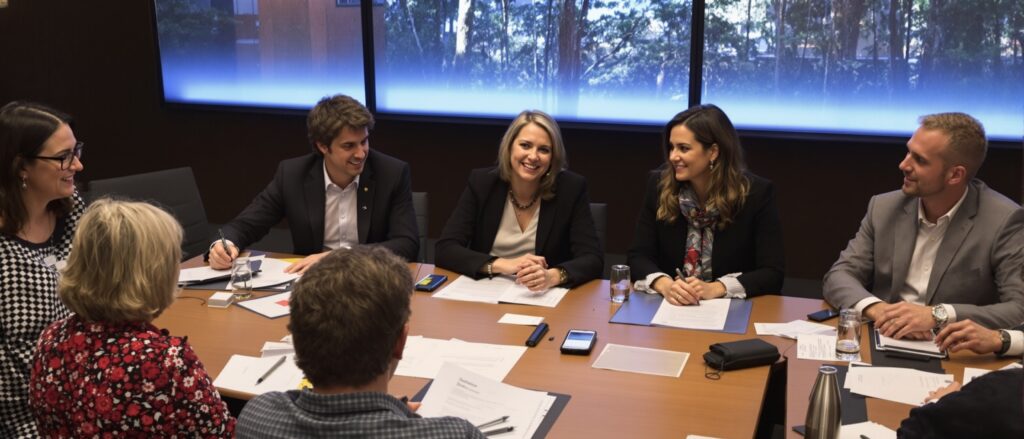
Elena sat in her advisor’s office fighting back tears as she received her third dissertation rejection in eighteen months. Her committee chair’s words echoed in her mind: “The theoretical framework still doesn’t align with your methodology, and the analysis lacks the depth we expect from doctoral work.” After years of research and countless revisions, she wondered if she’d ever get dissertation committee approval or if her academic dreams were over.
“I felt like a complete failure,” Elena recalls. “Each rejection chipped away at my confidence until I started questioning whether I belonged in a doctoral program at all. The worst part was feeling like I was disappointing everyone who believed in me.”
Elena’s experience reflects the harsh reality that many doctoral candidates face: repeated committee rejections that create cycles of revision, disappointment, and self-doubt. The emotional toll of multiple failures can be devastating, affecting not just academic progress but personal wellbeing and professional identity.
However, Elena’s story doesn’t end with failure. Working with professional dissertation writing services that understood committee expectations and systematic revision strategies, she transformed her rejected work into a unanimously approved dissertation within four months. Combined with defense coaching that prepared her for oral examination, Elena completed her degree successfully and regained confidence in her academic abilities.
The Devastating Impact of Repeated Committee Rejections
Understanding why repeated rejections occur helps students recognize that failure often results from correctable problems rather than fundamental inadequacies.
Emotional and Psychological Toll
Multiple dissertation rejections create cumulative psychological damage that extends far beyond academic setbacks to affect self-worth, professional identity, and mental health.
According to research from the American Psychological Association, repeated academic failures can trigger depression, anxiety, and imposter syndrome that interfere with cognitive function and academic performance.
Students experiencing multiple rejections often develop negative thought patterns that become self-fulfilling prophecies, creating additional obstacles to success beyond the original academic problems.
Financial and Career Consequences
Extended revision cycles delay graduation and increase program costs through additional enrollment fees, extended health insurance, and opportunity costs from delayed career advancement.
Students may lose funding, miss job opportunities, or face visa complications that compound the stress of academic struggles and create additional pressure for quick resolution.
The financial impact of prolonged doctoral programs often exceeds the cost of professional assistance that could have prevented or resolved the underlying problems more efficiently.
Relationship Strain and Social Isolation
Multiple rejections often strain relationships with advisors, committee members, family, and friends who may not understand the complexity of doctoral challenges or the emotional impact of repeated failure.
Students may isolate themselves from support networks due to shame about their academic struggles, creating additional barriers to recovery and success.
Professional relationships can deteriorate when advisors become frustrated with continued revision cycles, making future collaboration more difficult and stressful.
What Typically Goes Wrong: Common Patterns of Committee Rejection
Understanding frequent causes of rejection helps students identify and address problems systematically rather than making random changes that don’t resolve underlying issues.
Fundamental Misalignment With Committee Expectations
Many rejections result from students misunderstanding what their committees actually expect in terms of theoretical sophistication, methodological rigor, and analytical depth.
Elena’s rejections stemmed partly from misalignment between her committee’s expectations for theoretical integration and her approach to presenting research findings without sufficient theoretical grounding.
Research from the Council of Graduate Schools indicates that expectation misalignment represents one of the most common causes of dissertation delays and repeated revision cycles.
Committee members may assume students understand unstated expectations about academic writing conventions, theoretical frameworks, and methodological standards that haven’t been explicitly discussed.
Lack of Cohesion and Logical Flow
Dissertations often get rejected because different chapters don’t connect logically or because arguments don’t build systematically toward clear conclusions that demonstrate original contribution.
Students frequently develop chapters independently without understanding how they must support each other to create coherent research narratives that committees can follow and evaluate.
Poor organization and weak transitions between ideas create confusion that makes it difficult for committee members to understand student thinking and evaluate research quality fairly.
Systematic Ignoring or Misinterpretation of Feedback
Some students receive rejections repeatedly because they don’t understand how to interpret and implement committee feedback effectively, leading to revisions that miss the mark.
Academic feedback often uses indirect language that students may misunderstand, leading to changes that don’t address the underlying concerns committee members are trying to communicate.
Elena initially responded to feedback about “strengthening theoretical framework” by adding more literature citations rather than developing deeper theoretical analysis that connected theory to her empirical findings.
How Professional Support Creates Systematic Solutions
Understanding what makes professional intervention effective helps explain why expert assistance can resolve problems that students struggle to address independently.
Strategic Realignment With Committee Standards
Professional services begin by assessing existing work against committee expectations to identify specific gaps between current quality and required standards.
This assessment process helps students understand not just what to change but why changes are necessary and how to implement them effectively rather than making surface-level adjustments.
Strategic realignment ensures that revisions address underlying problems rather than symptoms, preventing future rejection cycles on similar issues.
Structured Flow and Coherent Organization
Expert assistance helps students reorganize their dissertations to create logical progression from research questions through methodology to findings and conclusions that demonstrate clear contribution.
This restructuring process often reveals that student research is stronger than it initially appeared but was poorly presented in ways that obscured its value to committee members.
Professional organization creates flow that allows committee members to follow student thinking easily and evaluate research contributions fairly.
Systematic Response Strategies and Implementation
Rather than leaving students to interpret feedback independently, professional services help develop comprehensive response strategies that address all committee concerns systematically.
This includes creating detailed revision plans, response memos that demonstrate understanding of feedback, and implementation strategies that ensure all concerns are addressed thoroughly.
Professional response strategies prevent the partial fixes that often lead to continued rejection cycles because they miss aspects of committee feedback.
Benefits of Professional Recovery Support
Understanding specific advantages helps clarify why investment in expert assistance often produces outcomes that justify the time and emotional cost involved.
Substantial Confidence Boost and Motivation Recovery
Professional support helps students understand that their struggles result from correctable problems rather than fundamental inadequacies, restoring confidence needed for continued effort.
Elena reported that working with experts helped her realize her research was valuable and that previous rejections resulted from presentation problems rather than inherent flaws in her work.
Confidence recovery enables students to engage productively with revision processes rather than approaching them with anxiety and self-doubt that interfere with clear thinking.
Targeted Strategy Development and Efficient Progress
Expert assistance creates systematic approaches to revision that address all committee concerns efficiently rather than requiring students to guess what changes will be effective.
Professional strategies focus effort on changes that will make the biggest difference in committee perception rather than spreading effort across minor adjustments that don’t address core problems.
Targeted approaches typically produce faster results with less total effort than trial-and-error revision cycles that may continue indefinitely without professional guidance.
Expert Quality Assurance and Standards Alignment
Professional services include quality control processes that ensure revised work meets academic standards before submission, reducing the likelihood of continued rejection.
This quality assurance helps students submit work confidently rather than approaching committee review with anxiety about whether changes will be sufficient.
Expert evaluation provides objective assessment of work quality that helps students understand when they’re ready for successful committee review.
Elena’s Recovery: From Three Rejections to Unanimous Approval
Elena’s detailed transformation illustrates how systematic professional support can resolve even severe rejection patterns and restore academic success.
Month 1: Comprehensive Assessment and Problem Identification
Elena’s recovery began with thorough analysis of her previous rejections to identify specific patterns and underlying problems that were creating continued committee dissatisfaction.
The assessment revealed that Elena’s work had solid research foundations but suffered from poor theoretical integration, unclear argumentation, and organization that obscured rather than highlighted her contributions.
Professional analysis also identified that Elena had been responding to feedback superficially rather than addressing the deeper concerns about theoretical sophistication that her committee was trying to communicate.
Month 2: Strategic Restructuring and Theoretical Integration
Rather than making incremental changes, Elena learned to restructure her dissertation around theoretical frameworks that demonstrated analytical sophistication while highlighting her original research insights.
This restructuring process involved reorganizing chapters to show logical progression from theoretical foundations through empirical findings to conclusions that clearly articulated her contribution to the field.
The restructuring revealed that Elena’s research was more significant than her previous presentations had demonstrated, building her confidence while improving committee perception.
Month 3: Response Strategy Implementation and Quality Control
Elena developed systematic responses to all previous committee feedback, creating detailed revision plans and response memos that demonstrated comprehensive understanding of committee concerns.
Professional quality control ensured that all changes were implemented thoroughly and that revised chapters met doctoral-level standards before submission to her committee.
This systematic approach addressed both specific feedback items and underlying issues that had caused repeated rejections, preventing future problems.
Month 4: Committee Submission and Unanimous Approval
Elena’s strategically revised dissertation received unanimous committee approval on first submission, with members praising the clarity of her theoretical framework and the sophistication of her analysis.
“The difference was remarkable,” Elena reflects. “My committee said the revision demonstrated the kind of thinking they’d been hoping to see all along.”
Elena successfully defended her dissertation two months later and has since secured a postdoctoral position that builds on her research expertise.
Student Testimony: The Emotional Journey of Recovery
Elena’s detailed reflection on her experience illustrates the profound emotional impact of moving from repeated failure to academic success.
Initial Despair and Self-Doubt
“After the third rejection, I seriously considered leaving the program,” Elena explains. “I felt like I was wasting everyone’s time and that maybe I just wasn’t cut out for doctoral work.”
Elena describes feeling isolated from her cohort and embarrassed about her struggles, which compounded the academic challenges with social and emotional difficulties.
The repeated failures had created negative thought patterns that made it difficult for Elena to believe improvement was possible or that professional help could make a difference.
Growing Hope Through Professional Support
“Working with professionals helped me understand that my problems were fixable,” Elena notes. “For the first time in months, I felt like success was actually possible.”
Elena’s confidence began returning as she learned systematic approaches to addressing committee feedback and saw concrete improvements in her work quality.
Professional support also helped Elena understand that repeated rejections didn’t reflect personal inadequacy but rather correctable problems with presentation and organization.
Relief and Validation After Approval
“Getting unanimous approval felt like vindication after all those months of doubt,” Elena reflects. “My research was valuable all along—I just needed help presenting it effectively.”
Elena’s successful defense restored her academic identity and confidence in her abilities, enabling her to pursue postdoctoral opportunities with enthusiasm rather than lingering self-doubt.
The recovery experience taught Elena resilience and problem-solving skills that have benefited her subsequent academic and professional challenges.
Common Questions About Recovery From Multiple Rejections
Students facing repeated rejections often ask practical questions about whether recovery is possible and how professional support addresses severe academic setbacks.
Is It Too Late to Get Help After Multiple Rejections?
Professional support can help students recover from even severe rejection patterns, though the process may take longer and require more comprehensive intervention than early assistance.
Multiple rejections often indicate systematic problems that require thorough analysis and strategic revision rather than incremental adjustments that students might attempt independently.
Recovery is possible at any stage of doctoral work, though earlier intervention typically requires less time and effort than recovery from established failure patterns.
Will My Committee Know I Received Professional Help?
Committee members expect doctoral students to receive guidance and support throughout their research process, making appropriate professional assistance a normal part of academic development.
The key distinction lies between assistance that builds student understanding and capabilities versus services that provide completed work that bypasses learning.
Students should be able to discuss and defend all aspects of their revised work because they participated in developing improvements with professional guidance.
What If I’ve Completely Lost Confidence in My Abilities?
Professional support includes confidence rebuilding that helps students understand their struggles result from correctable problems rather than fundamental inadequacies.
Elena’s experience demonstrates that even severe confidence loss can be overcome when students receive systematic support that addresses both academic problems and emotional recovery.
Confidence rebuilding often occurs naturally as students experience success through systematic revision and see tangible improvements in their work quality and committee responses.
According to the National Association of Graduate-Professional Students, professional support that addresses both academic and emotional challenges produces better outcomes than purely academic assistance.
Available Support Options for Committee Approval Recovery
Understanding different types of assistance helps students choose approaches that match their specific rejection patterns and recovery needs.
Comprehensive Editing and Revision Services
For students whose work needs systematic improvement across multiple areas, comprehensive services provide coordinated revision that addresses all aspects of committee feedback simultaneously.
This level of support works well for students whose rejections indicate fundamental problems with organization, argumentation, or theoretical integration that require substantial restructuring.
Strategic Coaching and Feedback Implementation
Students who understand their research well but struggle with interpreting and implementing committee feedback can receive focused coaching on revision strategies and communication.
This coaching approach helps students develop skills for future revision cycles while addressing current problems effectively.
Individual Chapter Development and Improvement
Some students need intensive assistance with particular chapters that have been repeatedly rejected while other sections of their work are acceptable to committees.
Targeted chapter development maintains student independence while providing expert assistance on specific problems that require specialized knowledge.
Mock Defense Preparation and Confidence Building
Students whose written work has been approved but who need preparation for oral defense can receive coaching that builds presentation skills and confidence.
Defense preparation helps students articulate their research contributions clearly and handle challenging questions that may arise during oral examination.
Recovery Is Possible With the Right Support
Elena’s transformation from three rejections to unanimous approval demonstrates that even severe academic setbacks can be overcome with systematic professional support and strategic revision approaches.
The key insight is that repeated rejections usually indicate correctable problems with presentation, organization, or committee alignment rather than fundamental flaws in student capabilities or research quality.
Professional support that addresses both academic problems and emotional recovery helps students not just achieve committee approval but regain confidence and momentum for successful degree completion.
Students who recover from multiple rejections often develop resilience and problem-solving skills that serve them well throughout their academic and professional careers.
The investment in professional recovery support typically produces outcomes that justify the cost through faster degree completion, improved work quality, and restored confidence that benefits long-term career success.
When doctoral candidates can transform repeated failure into academic success, they develop both the credentials and the resilience needed for continued achievement in challenging professional contexts.
Ready to Transform Your Rejections Into Committee Approval Success?
If you’re facing repeated committee rejections and feeling discouraged about your academic future, professional support can help you identify and address the underlying problems preventing approval.
Contact us today to learn how our systematic revision services can help you transform your dissertation from rejected work into committee-approved research that demonstrates your expertise and contributions.
Your previous rejections don’t define your potential for success—they simply indicate problems that can be solved with the right support and strategic approach to revision.
Take the first step toward committee approval and degree completion. Your research has value, and with professional guidance, you can present it in ways that earn the approval and recognition you deserve.