
Why It Matters That Your Dissertation Mentor Still Publishes Research
Not all dissertation help is created equal. You probably already figured that out if you’ve been shopping around, getting quotes, reading testimonials, and trying to figure out who can actually help you finish this thing.
But here’s what most people don’t think to ask when they’re looking for dissertation help: Is the person helping you still actively doing research? Are they still publishing? Are they still in the game, or did they write their dissertation back in 1987 and call it a day?
It matters more than you think. Because there’s a world of difference between someone who used to be a researcher and someone who still is a researcher. There’s a difference between a coach who can tell you what worked for their dissertation 15 years ago and a professor who just submitted a manuscript last month.
See, academia moves fast. Research methods evolve. New analytical techniques get developed. Citation standards change. The literature in your field keeps growing every single day. And if the person helping you hasn’t kept up with all that change, they’re working from outdated information.
That’s not the kind of help you need when you’re trying to defend cutting-edge research in 2025.
Staying Sharp Through “Publish or Perish”
Here’s something they don’t tell you about being a professor: you never stop being a student. You can’t just coast once you get tenure. You can’t just teach the same classes year after year and ignore everything else happening in your field.
Because of publish or perish. It’s a brutal reality of academic life, but it’s also what keeps professors sharp. We have to keep producing original research, or we lose our jobs. We have to stay current on the literature, or our own research becomes irrelevant. We have to keep learning new methodologies, or we can’t compete for grant funding.
Most people think professors just teach classes and grade papers. Wrong. Teaching is maybe 40% of what we do. The other 60% is research – designing studies, collecting data, analyzing results, writing manuscripts, submitting to journals, dealing with peer reviewers who tear apart our methodology.
And that’s exactly what makes us better dissertation mentors than someone who wrote one dissertation and moved on.
Think about it this way: if you needed heart surgery, would you want a surgeon who did their last operation five years ago, or one who’s been in the operating room every week? If you needed legal help, would you hire a lawyer who hasn’t been in court since 2010, or one who just won a case last month?
Your dissertation mentor should be the same way. You want someone who’s still doing the work, still fighting with IRB committees, still struggling with statistical software, still getting rejected by journal reviewers and having to revise their methodology.
Because that’s the person who knows what works in 2025, not what worked in 2005.
The publish or perish requirement means we can’t get lazy. We can’t rely on old knowledge or outdated methods. Every time we design a new study, we have to make sure we’re using the most current theoretical frameworks, the most appropriate analytical techniques, the most recent citations in our literature reviews.
And every time we submit a manuscript, we get feedback from peer reviewers – other professors who are experts in our field. They catch our mistakes. They challenge our assumptions. They force us to justify every methodological choice we made.
That’s the kind of rigorous thinking you need applied to your dissertation. Not someone who’s been out of the game for years and doesn’t know how standards have changed.
Each Article Is Like Another Dissertation
Here’s something most people don’t realize about academic publishing: every peer-reviewed journal article is basically a mini-dissertation. Same process, same rigor, same standards – just condensed into 25-30 pages instead of 200.
I’ve published about 50 peer-reviewed journal articles and a few books. So have many of the other professors who work with Real Professors. That means we’ve been through the dissertation process not once, but dozens of times.
Each article starts the same way your dissertation did – with a problem in the literature that needs solving. We have to review all the existing research, identify gaps in knowledge, develop theoretical frameworks, design methodologically sound studies, collect and analyze data, interpret results, and argue for how our findings contribute to the field.
Sound familiar? It should. That’s exactly what you did for your dissertation, except we keep doing it over and over again.
And here’s the key difference between professors and coaches: we don’t just write articles. We get them peer-reviewed by other experts in the field. Anonymous reviewers tear apart our methodology, question our theoretical choices, challenge our interpretations, and demand revisions.
Sometimes we get rejected outright and have to start over with a different journal. Sometimes we get feedback that requires us to collect additional data or completely reanalyze our results. Sometimes we realize we made fundamental errors in our research design and have to scrap months of work.
That’s the level of scrutiny your dissertation needs to withstand. And it’s the level of expertise you need from your mentor.
When I’m helping someone with their methodology chapter, I’m not just drawing on what I learned in graduate school 20 years ago. I’m drawing on what I learned last month when a reviewer challenged my use of regression analysis instead of structural equation modeling. I’m thinking about the feedback I got six months ago when an editor questioned whether my sample size was sufficient for the claims I was making.
That real-time, current experience with research standards is what makes the difference between generic advice and expert guidance.
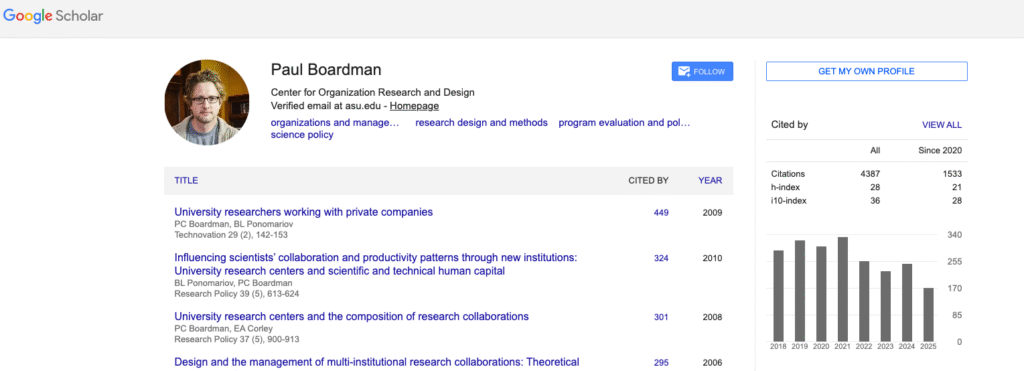
You can check out my own publishing record here if you want to see what I mean about staying active in research. But the point isn’t to brag about publication counts. The point is that every single one of those articles represents another opportunity to stay sharp, another chance to deal with peer review, another experience with current research standards.
That’s the kind of mentor you want on your side.
The Advantage for You
So what does it actually mean for you that your dissertation mentor is still actively publishing research? It means you get better guidance on everything from theory selection to statistical analysis.
Let’s start with theoretical frameworks. A coach who wrote their dissertation in 2008 might recommend the same theories that were popular back then. But theories evolve. New frameworks get developed. Some older theories fall out of favor as the field advances.
An active researcher knows what theoretical approaches are currently respected in your field. They know which frameworks journal editors are looking for and which ones make reviewers roll their eyes. They know because they’re using these frameworks in their own current research.
Same thing with research design and methodology. Statistical techniques that were cutting-edge 10 years ago might be considered basic now. Software programs that everyone used in 2015 might have been replaced by better options. IRB requirements change. Ethical standards evolve.
A professor who’s still doing research stays current on all of this. They know the newest analytical techniques because they’re learning them for their own studies. They know what IRB committees are looking for because they just got approval for their latest project. They know what journal reviewers expect because they just went through the peer review process.
But here’s maybe the biggest advantage: active researchers catch errors that coaches miss. When you’ve been through peer review recently, you develop a sharp eye for methodological problems, weak theoretical justifications, and analytical mistakes.
If your mentor hasn’t been peer-reviewed in years, they might not catch issues that would get your dissertation torn apart by your committee. But if they just dealt with demanding reviewers last month, they know exactly what kinds of problems professors look for.
I can’t tell you how many times I’ve caught errors in dissertations that previous coaches missed. Misaligned research questions and methodologies. Inappropriate statistical tests. Theoretical frameworks that don’t actually connect to the research design. These are the kinds of mistakes that can derail your defense – but they’re also the kinds of mistakes that active researchers spot immediately.
Because we see them all the time in peer review. We make them ourselves sometimes. And we know how to fix them.
Matching You With the Right Professor
Here’s where being part of a team of active researchers really pays off. At Real Professors, we don’t just assign you to whoever’s available. We match you with someone who’s actually doing research in your specific area, using your specific methodology.
If you’re doing a phenomenological study in healthcare administration, we pair you with a professor who publishes phenomenological research in healthcare settings. If you’re doing quantitative analysis in organizational psychology, you get someone who regularly uses those statistical techniques in their own work.
Why does this matter? Because research is specialized. The person who’s an expert in survey methodology might not be the best choice for helping with your grounded theory study. The professor who publishes in educational leadership might not be current on the latest developments in business management research.
But when your mentor is actively publishing in your exact area, using your exact methods, they know all the nuances that make the difference between good research and great research. They know the common pitfalls in your methodology because they’ve navigated them recently. They know the key scholars in your field because they cite them regularly. They know what’s considered innovative in your area because they’re trying to be innovative themselves.
A dissertation coach might have general knowledge about research methods. But an active professor in your field has specific, current expertise in your exact type of research. There’s no comparison.
And because we’re all still publishing, we stay connected to what’s happening across different fields and methodologies. We know which professors at other universities are doing cutting-edge work. We know which journals are most respected in different disciplines. We know which conferences are worth attending and which ones are wastes of time.
That network and knowledge base is something you can only get from people who are still actively engaged in academic research.
Get Matched With a Publishing Professor Today
Look, you’ve already invested years of your life and thousands of dollars in this dissertation. You’re so close to the finish line you can taste it. Don’t sabotage your success by working with someone who’s been out of the research game for years.
You deserve a dissertation mentor who knows what current research standards look like. Someone who’s been through recent peer review and knows what journal editors and conference organizers are looking for. Someone who’s still sharp because they’re still doing the work every single day.
That’s exactly what you get when you work with Real Professors. We’re not just people who used to do research – we’re people who are still doing research. We’re not just coaches who can give you generic advice – we’re active scholars who can give you specific, current expertise in your exact field and methodology.
Don’t settle for outdated guidance from someone who wrote their last paper when George W. Bush was president. Get the current, expert mentoring you need from professors who are still publishing, still peer-reviewing, and still pushing the boundaries of knowledge in their fields.
Ready to get matched with a publishing professor who actually knows what they’re talking about? Contact us today to discuss your specific needs and find out which of our actively researching professors is the perfect fit for your dissertation project.