
How We Help You Prepare for Your Dissertation Defense
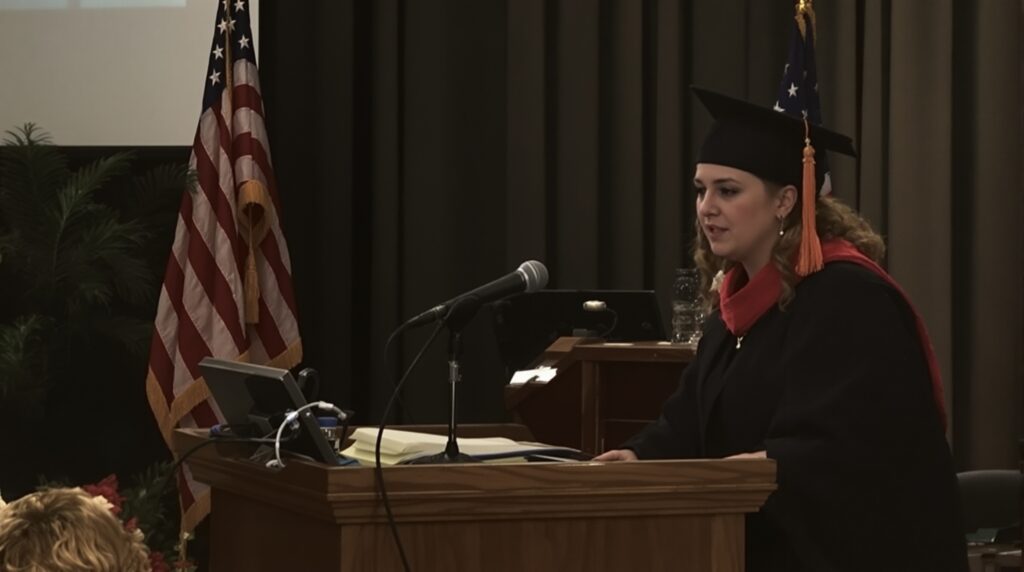
Let me tell you about Sarah. She spent four years working on her dissertation in educational leadership. Four years of late nights, endless revisions, and more cups of coffee than she could count. But when it came time for her dissertation defense preparation, she was terrified.
The defense can feel like the scariest part of your doctoral journey, and honestly, it should. This isn’t some routine presentation at work where you can wing it. This is the moment when a panel of professors – people who’ve been doing research longer than you’ve been alive – are gonna grill you on every single aspect of your study. They’re gonna ask questions you never thought of. They’re gonna poke holes in your methodology. And they’re gonna do it all while you’re standing there, sweating, trying to remember why you thought getting a doctorate was a good idea in the first place.
But here’s what most working professionals like Sarah don’t realize about dissertation defense preparation: those professors sitting across from you aren’t trying to destroy you. They’re asking the same questions they always ask. The same types of questions they’ve been asking for years. And if you know what those questions are gonna be, you can prepare answers that’ll make you look like the expert you actually are.
That’s where we come in. We’ve been on the other side of that table hundreds of times. We are those professors asking the tough questions. We’ve chaired dissertation committees, we’ve served on defense panels, and we know exactly what your professors are thinking when they look at your research. We know what makes them nod their heads in approval and what makes them furrow their brows in confusion.
And more importantly, we know how to get you ready for both. Real dissertation defense preparation isn’t about memorizing your entire study – it’s about knowing exactly what they’re gonna ask and having rock-solid answers ready to go.
Sarah’s story has a happy ending, by the way. After working with us on her dissertation defense preparation, she walked into that room confident. She knew what questions were coming. She had practiced her answers. And when one professor asked her about the limitations of her methodology – a question that would’ve made her panic three months earlier – she gave a clear, thoughtful response that showed she understood her research better than anyone else in that room.
That’s what proper dissertation defense preparation looks like. And that’s what we’re gonna show you how to get.
Why Preparation Is Everything
Here’s what nobody tells you about dissertation defenses: they’re not actually about your dissertation. They’re about whether you can defend your decisions.
Your committee already read your study. They know what you found. What they want to see is whether you understand your own research well enough to justify every choice you made along the way. Why did you pick that theoretical framework instead of another one? Why did you use regression analysis instead of correlation? Why did you interview 15 participants instead of 12 or 20?
And here’s the kicker – most students can’t answer those questions. Not because they made bad choices, but because they made those choices two years ago and never thought about them again.
Think about it. You’re a working professional. You’ve got a job, maybe kids, definitely bills to pay. You wrote your methodology chapter back in 2022, and now it’s 2025 and some professor wants to know why you chose phenomenology over case study methodology. You probably don’t even remember having that conversation with your chair, let alone the reasoning behind it.
But your committee expects you to remember. More than that – they expect you to defend those decisions like you made them yesterday.
This is where most students mess up their dissertation defense preparation. They think they need to memorize their entire study. They spend weeks rereading their chapters, highlighting everything, making flashcards of their findings. And then they walk into that room and the first question is something like “Tell us about the epistemological assumptions underlying your research design.”
Epistemological what now?
See, your professors aren’t trying to trick you. But they are testing whether you actually understand the deeper implications of your research. They want to know if you’re ready to be called “Doctor” – which means you need to think like a researcher, not just someone who completed a research project.
The high stakes here aren’t just about passing or failing. If you bomb your defense, you might have to revise your entire dissertation and come back in six months. That’s six more months of tuition. Six more months of telling people “I’m still working on my dissertation.” Six more months of feeling like you’ll never finish this thing.
But here’s what’s really at stake for working professionals like you: time. You don’t have six extra months to mess around. You’ve got that promotion waiting. You’ve got family obligations. You’ve got a life you want to get back to.
Most students under-prepare because they don’t know what questions will be asked. They know their research, but they don’t know how to talk about their research the way professors want to hear it. There’s a difference between knowing your methodology and being able to explain why your methodology was the best choice for your specific research questions.
Your committee members have been doing this for decades. They’ve seen every possible mistake, every weak justification, every half-baked theoretical framework. They can spot a student who’s just winging it from across the room. And if they think you don’t really understand your own research, they’re not gonna pass you just because you spent four years working on it.
We Know the Questions
Here’s the dirty little secret about dissertation defenses: the questions are predictable. Not word-for-word identical, but the themes? The types of challenges your committee will throw at you? We’ve heard them all before.
Because we are those committee members. We are the dissertation chairs sitting across the table asking these questions. Between all of us at Real Professors, we’ve been in those rooms – or virtual rooms now – hundreds of times. We know every single question your professors are going to ask you.
And here’s the thing your professors at those for-profit online schools don’t tell you: there are right and wrong answers to those questions. This isn’t some philosophical debate where any thoughtful response will do. Your committee has specific things they want to hear, and if you don’t say them, you’re not passing.
Let me give you some examples. If you’re defending a proposal, you’re gonna get asked about your sample size. Not just “How many participants are you planning to interview?” but “How did you determine that 12 participants would be sufficient for data saturation in a phenomenological study?”
Most students freeze up at that question because they picked 12 because that’s what their chair suggested, or because that’s what they saw in another study. But the right answer involves talking about Creswell’s recommendations, about theoretical saturation, about how phenomenological studies typically reach saturation between 8-15 participants depending on the complexity of the phenomenon being studied.
See the difference? One answer shows you followed directions. The other shows you understand research methodology.
For final defenses, the questions get even more specific. You’re gonna get asked about your findings, sure, but also about what your findings mean in the broader context of your field. “How do your results contribute to the existing literature on transformational leadership?” or “What are the implications of your findings for practice in healthcare administration?”
These aren’t trick questions, but they are testing whether you can think beyond your study. Can you connect your research to the bigger picture? Can you talk about how your work advances knowledge in your field? Can you identify areas where future research is needed based on what you found?
The questions also vary depending on whether it’s a proposal defense or a final defense. Proposal defenses focus heavily on methodology – they want to know you’ve designed a study that will actually answer your research questions. Final defenses focus more on your findings and their significance – they want to know you can interpret your results and understand what they mean.
But here’s what both types of defenses have in common: your committee is testing whether you sound like a researcher or just someone who completed a research project. They want to hear you use the language of your field correctly. They want to see you demonstrate that you understand not just what you did, but why you did it and what it means.
We know these questions because we ask them. Every single defense, we’re looking for the same things: Does this person understand their theoretical framework? Can they justify their methodology? Do they know the limitations of their study? Can they articulate how their work contributes to their field?
And because we’ve been asking these questions for years, we know exactly what separates a strong defense from a weak one. We know what makes committee members exchange those little glances that mean “This student isn’t ready.” And we know what makes them nod and smile because they’re impressed with what they’re hearing.
Mock Defenses and Rehearsals
This is where dissertation defense preparation gets real. You can read your study a thousand times, but until you’ve actually practiced defending it out loud, you don’t know how you’re gonna perform when it counts.
Think about any other high-stakes presentation you’ve given in your professional life. Did you just wing it? Or did you practice it multiple times, maybe in front of a mirror, maybe with a trusted colleague? Your dissertation defense deserves the same level of preparation, but with one key difference: you need someone who knows what questions are coming.
That’s where our mock defenses come in. We don’t just ask you random questions about your research. We ask you the exact types of questions your actual committee is gonna ask. And we do it in the same format your real defense will follow – presentation first, then questions, then maybe some back-and-forth discussion about specific aspects of your study.
Here’s how it works: You present your research just like you would in your actual defense. We listen, we take notes, and then we start asking questions. But these aren’t softball questions designed to make you feel good. These are the hard questions, the ones that make you think, the ones that test whether you really understand your own research.
“Walk us through your decision to use grounded theory instead of phenomenology.” “Your response rate was only 34% – how does that affect the validity of your findings?” “You mention social learning theory in your theoretical framework, but I don’t see how it connects to your research questions. Can you explain that relationship?”
And here’s the beautiful part: when you stumble – and you will stumble the first time – we help you figure out the right answer. We don’t just tell you that you got it wrong. We explain why your answer wasn’t quite right and help you develop a better response.
By the time you walk into your actual defense, you’ve already been through this process. You’ve already heard the tough questions. You’ve already practiced your answers. You’ve already worked through the nerves and the stumbling and the “um, can you repeat the question?” moments.
The benefits go way beyond just knowing what to say. Mock defenses build your confidence. When you’ve successfully defended your research in practice, doing it for real doesn’t feel nearly as scary. You walk into that room knowing you can handle whatever they throw at you.
They also help you give clearer, more concise responses. In your first mock defense, you might ramble for five minutes trying to answer a simple question about your methodology. By your second or third practice run, you’re giving focused, direct answers that demonstrate your expertise without wasting anyone’s time.
And maybe most importantly for working professionals like you, mock defenses reduce anxiety. You know that feeling when you’re presenting at work and someone asks a question you weren’t expecting? Your heart starts racing, your mind goes blank, and you end up giving some rambling non-answer that makes you sound unprepared.
Now imagine that happening during your dissertation defense. With thousands of dollars in tuition and months of work on the line. With your family in the audience. With your professional reputation at stake.
Mock defenses help you avoid that nightmare scenario. By the time you defend for real, nothing your committee asks will surprise you. You’ll have heard it all before, and you’ll know exactly how to respond.
Helping You Nail the Delivery
Here’s something most dissertation defense preparation programs ignore: how you say something matters just as much as what you say. You can have the perfect answer to every question, but if you’re mumbling, fidgeting, and looking at the floor, your committee isn’t gonna be impressed.
This is where working with actual professors makes a huge difference compared to working with a dissertation coach who’s never been on the other side of that table. We know what committee members are looking for in terms of presentation skills, body language, and overall demeanor. And we know what makes them lose confidence in a student.
Let’s start with the basics: pacing. Most students rush through their defense presentation like they’re trying to get it over with as quickly as possible. Bad move. Your committee wants to see that you’re comfortable talking about your research, that you’re confident in what you’ve done. Racing through your slides makes you look nervous and unprepared.
On the flip side, some students go too slow, pausing after every sentence like they’re giving a eulogy. That doesn’t work either. You want to find that sweet spot where you’re speaking clearly and deliberately, but with enough energy to keep your audience engaged.
Body language is huge. Stand up straight. Make eye contact with different members of your committee. Use your hands to emphasize points, but don’t wave them around like you’re directing traffic. And for the love of all that’s holy, don’t read directly from your slides. Your committee can read. They want to hear you talk about your research in your own words.
Then there’s the question-and-answer portion, which is where most defenses are won or lost. When a committee member asks you a question, don’t immediately start talking. Take a breath. Think about what they’re really asking. Then give a clear, direct answer.
If you don’t know something, don’t try to fake it. Committee members have been doing research for decades – they can spot BS from a mile away. Instead, say something like “That’s a great question, and I’d need to review the literature more thoroughly to give you a complete answer.” That shows intellectual honesty, which professors respect way more than someone who tries to bluff their way through.
But here’s where our coaching really shines: we know what counts as a “good answer” from the committee’s perspective. A dissertation coach might tell you to “be confident” or “speak clearly.” That’s not wrong, but it’s not specific enough to be helpful.
We can tell you exactly what your committee is listening for when they ask about your theoretical framework. We know the difference between an answer that demonstrates mastery and one that just shows you read the textbook. We know how to help you sound like an expert on your own research, because that’s what you are.
We also help you prepare for the weird questions, the ones that seem to come out of left field. “If you were to do this study again, what would you do differently?” “How might your findings apply to other industries?” “What questions did your research raise that you didn’t anticipate?”
These questions aren’t trying to trip you up. They’re testing your ability to think critically about your own work. But they can catch you off guard if you haven’t thought about them ahead of time. We make sure you have.
The goal isn’t to turn you into a polished presenter – though that’s a nice side effect. The goal is to help you communicate your expertise in a way that makes your committee confident they’re looking at someone who deserves to be called “Doctor.” And that’s exactly what we help you do.
Ready to Ace Your Defense?
Listen, you’ve already done the hard part. You designed a study, collected data, analyzed your findings, and wrote hundreds of pages about your research. You know your stuff – you just need to learn how to show your committee that you know your stuff.
That’s exactly what we do at Real Professors. We take working professionals like you who are ready to finish this thing and get on with their lives, and we help them walk into their defense room with complete confidence.
We know the questions because we ask them. We know what answers work because we’ve heard thousands of them. And we know how to help you prepare because we’ve been preparing doctoral students for defenses for years.
Don’t spend the next three months losing sleep over your upcoming defense. Don’t risk having to come back and do this whole thing again because you weren’t prepared for the questions your committee asked.
Get the dissertation defense preparation you need from people who actually know what they’re talking about. Schedule a consultation with Real Professors today and let us help you finish strong.
Contact us now to discuss your defense preparation needs, or learn more about our comprehensive defense coaching service designed specifically for working professionals who are ready to become doctors.e