
How Our Editors and Consultants Worked as a Seamless Team
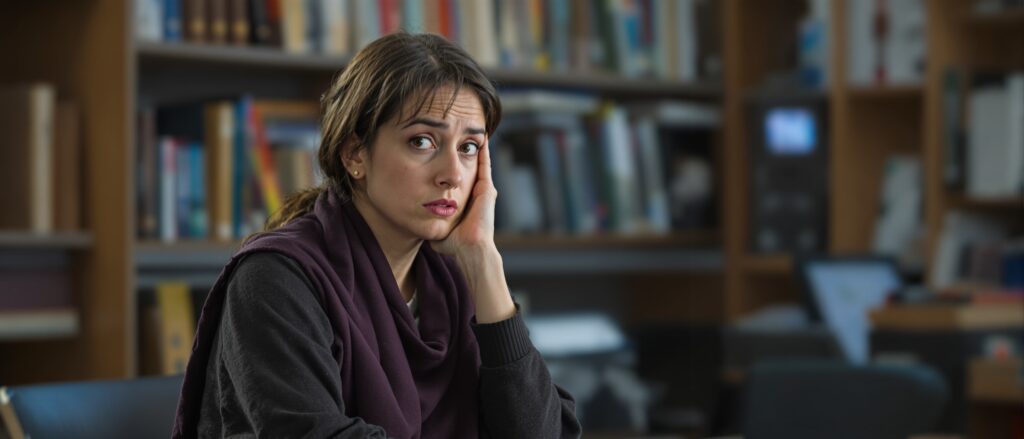
When Dr. Lisa Patterson first sent us her dissertation draft, she was frustrated and exhausted. She’d been working on the same three chapters for eight months, receiving conflicting feedback from different committee members, and watching her defense date slip further into the future with each revision cycle.
“I felt like I was drowning in my own research,” Lisa later told us. “I knew my content was solid, but I couldn’t figure out how to present it in a way that satisfied everyone. One committee member wanted more theoretical depth, another wanted clearer writing, and a third was concerned about methodology presentation. I was trying to address all these concerns simultaneously and just making everything worse.”
Lisa’s experience reflects a common challenge that many doctoral students face: having good research that gets lost in poor presentation, unclear organization, and academic writing that doesn’t effectively communicate their ideas. The solution isn’t just better editing or just better consulting – it’s coordinated support that addresses both content development and presentation quality simultaneously.
This is the story of how our editorial and consulting team worked together to transform Lisa’s struggling dissertation into work that earned unanimous committee approval and praise for both its scholarly contribution and professional presentation. More importantly, it shows how collaborative professional support can prevent the delays and frustration that come from addressing content and presentation issues separately.
A dissertation requires more than individual expertise – it requires team effort that coordinates multiple types of support to address the complex challenges that doctoral students face when trying to present their research professionally.
Lisa’s Initial Situation: Solid Research, Poor Presentation
Lisa came to us with a draft that contained all the elements of a strong dissertation but lacked the clarity and structure that committee members expect from doctoral-level work. Her research was methodologically sound, her data was compelling, and her analysis showed sophisticated thinking. The problem was that none of these strengths came through clearly in her writing.
Content Issues That Needed Consulting Expertise Lisa’s theoretical framework was buried in literature review rather than clearly articulated as the foundation for her study. Her methodology section included all the necessary information but didn’t explain why her choices were appropriate for her research questions. Her findings were presented chronologically rather than thematically, making it difficult to see patterns and significance. Her discussion didn’t clearly connect findings to existing literature or explain the implications of her research.
Presentation Issues That Needed Editorial Expertise Lisa’s writing was dense and hard to follow, with long sentences that contained multiple ideas. Her organization jumped between topics without clear transitions. Her academic voice was inconsistent, sometimes too informal and sometimes unnecessarily complex. Her formatting was inconsistent, and her citations didn’t follow APA style correctly throughout the document.
The Coordination Challenge The problem wasn’t just that Lisa needed both content and editorial help – it was that these issues were interconnected. Fixing the writing clarity required understanding the content deeply. Reorganizing for better flow required editorial judgment about what was most important. Addressing committee feedback required both content expertise and presentation skills.
Most students try to address these issues sequentially – first working on content, then editing for presentation. This approach often fails because changes to content affect presentation, and presentation problems can obscure good content. Lisa needed coordinated support that addressed both dimensions simultaneously.
Our Collaborative Model: Consultant and Editor Working Together
Instead of treating content development and editorial polish as separate processes, we designed a collaborative approach where consulting and editorial expertise worked together throughout Lisa’s revision process.
The Content Consultant’s Role Dr. Sarah Mitchell, our education consulting specialist, took primary responsibility for content development and committee communication. She worked with Lisa to strengthen the theoretical framework, clarify the methodology rationale, reorganize findings thematically, and develop stronger connections between findings and implications. Dr. Mitchell also interpreted committee feedback and helped Lisa understand what specific changes were needed to address concerns.
The Editor’s Role Jennifer Walsh, our senior academic editor, focused on presentation quality, organization, and academic writing standards. She worked on sentence-level clarity, paragraph organization, transitions between sections, consistency of academic voice, and formatting requirements. Jennifer also ensured that content changes were presented clearly and that the overall document maintained professional presentation standards.
The Coordination Process The key to success was coordination between Dr. Mitchell and Jennifer throughout the revision process. Instead of working independently and then combining their changes, they collaborated on each section to ensure that content improvements enhanced rather than complicated presentation quality. Daily communication between team members meant that content changes were immediately evaluated for presentation impact, and editorial suggestions were checked for content accuracy.
Lisa’s Active Participation Lisa remained the author and decision-maker throughout the process. She reviewed and approved all changes, provided input on content decisions, and maintained ownership of her research and conclusions. The collaborative support enhanced her work without replacing her intellectual contributions.
Research on collaborative writing processes shows that coordinated team approaches can produce higher quality results than individual efforts, particularly when team members bring different types of expertise to complex projects.
Benefits: What Collaborative Support Achieved
The coordinated approach produced benefits that neither consulting nor editing alone could have achieved, demonstrating why seamless teamwork matters for complex dissertation challenges.
Expertise Alignment for Comprehensive Solutions Instead of receiving content suggestions that were difficult to implement clearly, or editorial changes that didn’t account for academic content requirements, Lisa received integrated solutions that addressed both content and presentation simultaneously. Dr. Mitchell’s content expertise informed Jennifer’s editorial decisions, while Jennifer’s presentation insights shaped how content revisions were implemented.
Reduced Turnaround Time Through Parallel Processing The collaborative approach allowed content development and editorial review to happen simultaneously rather than sequentially. While Dr. Mitchell worked with Lisa on strengthening her theoretical framework, Jennifer was already identifying presentation issues that would need attention once content changes were implemented. This parallel processing reduced the overall revision timeline significantly.
Increased Confidence Through Coordinated Quality Control Lisa gained confidence knowing that her revisions addressed both content and presentation concerns comprehensively. Instead of worrying that fixing one problem might create others, she could see that changes improved her dissertation on multiple dimensions simultaneously. This confidence was evident in her committee interactions and defense preparation.
Prevention of Common Coordination Problems The collaborative approach prevented the typical problems that arise when students try to manage multiple types of feedback independently. Content changes didn’t create new presentation problems. Editorial improvements didn’t accidentally alter meaning. Committee feedback was addressed comprehensively rather than piecemeal.
Specific Examples: How the Team Approach Worked
Let me show you exactly how the collaborative approach worked in practice by walking through specific examples from Lisa’s dissertation revision.
Chapter 1: Problem Statement Focus Initial Issue: Lisa’s problem statement was scattered across multiple paragraphs in her background section, making it difficult for readers to understand what specific issue her research addressed.
Consultant Input: Dr. Mitchell identified that Lisa’s problem statement needed to be more focused and clearly positioned within existing literature. She helped Lisa articulate the specific gap her research would fill.
Editorial Input: Jennifer reorganized the information to create a clear progression from broad context to specific problem, ensuring that the problem statement appeared prominently and was easy to locate.
Collaborative Result: The revised Chapter 1 presented Lisa’s research problem clearly and compellingly, with content that was both substantively strong and well-presented.
Chapter 3: Simplified Methodology Presentation Initial Issue: Lisa’s methodology chapter included all necessary information but was difficult to follow because procedures were described in chronological order rather than logical groupings.
Consultant Input: Dr. Mitchell helped Lisa reorganize her methodology around key themes (participants, procedures, analysis) and ensured that her choices were clearly justified theoretically.
Editorial Input: Jennifer restructured the presentation to use consistent formatting, clear headings, and logical flow that made complex information accessible to committee members.
Collaborative Result: The revised methodology chapter received praise from Lisa’s committee for both its thoroughness and its clarity.
Final Review: Formatting Precision Initial Issue: Lisa’s dissertation had inconsistent formatting, citation errors, and presentation problems that detracted from her content quality.
Consultant Input: Dr. Mitchell ensured that all content was complete and accurate before final formatting began.
Editorial Input: Jennifer conducted comprehensive formatting review, corrected all citation issues, and ensured professional presentation throughout the document.
Collaborative Result: Lisa’s final dissertation met all technical requirements while presenting her research professionally and clearly.
Like students who have benefited from complete timeline support, Lisa experienced the advantages of coordinated professional help that addressed all aspects of dissertation completion systematically.
Client Testimonial: “Like Having a Full Academic Team”
Lisa’s feedback captures why the collaborative approach made such a difference in her dissertation experience:
“Working with the consulting and editorial team felt like having my own personal academic department supporting my research. Dr. Mitchell understood my content and helped me see how to present my ideas more powerfully, while Jennifer made sure everything was written clearly and professionally.
What really impressed me was how well they worked together. I never felt like I was getting conflicting advice or having to choose between content quality and presentation quality. Every change improved both dimensions of my work simultaneously.
The daily communication between team members meant that I always knew what was happening and could provide input on decisions. I never felt like my dissertation was being taken over by someone else – instead, I felt like I had expert support that helped me express my own ideas better.
When I submitted my revised chapters to my committee, the feedback was completely different. Instead of asking for major revisions, they were commenting on the quality of my analysis and the clarity of my presentation. My committee chair said it was obvious that I had developed into a sophisticated scholar who could communicate complex ideas effectively.
The defense felt like a celebration rather than an ordeal because I was confident in both my research and my ability to present it clearly. Having both content and presentation support meant that I could focus on defending my ideas rather than worrying about whether my work met academic standards.”
Frequently Asked Questions About Team Collaboration
Students considering professional support often have questions about how collaborative approaches work and whether they’re appropriate for their needs.
How do you coordinate between consultant and editor to avoid conflicts? Coordination happens through daily communication, shared project documentation, and clear role definitions. The consultant focuses on content development and academic standards while the editor focuses on presentation and technical requirements. Both team members review each other’s work to ensure changes are complementary rather than conflicting. Lisa was kept informed of all decisions and had final approval on all changes.
Are there limits to what editors can change without affecting content? Experienced academic editors understand the difference between presentation improvements and content changes. Editorial work focuses on clarity, organization, and technical presentation while preserving the author’s voice and meaning. Any changes that might affect content are discussed with both the consultant and the author before implementation. The collaborative approach ensures that editorial suggestions are informed by content expertise.
Is it better to use separate services or a bundled team approach? The team approach provides several advantages over separate services: coordinated timeline, consistent communication, integrated solutions, and comprehensive quality control. Separate services often create coordination challenges for students who must manage different timelines, potentially conflicting advice, and gaps between different types of support. The bundled approach eliminates these coordination problems while providing comprehensive support.
Research from academic writing centers emphasizes that successful collaborative writing requires clear communication, defined roles, and coordinated effort among team members.
Your Options for Collaborative Support
Professional services can provide different levels of collaborative support depending on your needs and current situation.
Comprehensive Team Coaching For students who need both content development and presentation improvement, comprehensive coaching provides coordinated consultant and editorial support throughout the revision process. The defense coaching service can also be integrated to include presentation preparation and committee communication support.
Chapter-Specific Team Support Students who need intensive help with particular sections can receive focused collaborative support for specific chapters. This might include consultant help with methodology development combined with editorial support for clarity and organization, ensuring that complex content is presented effectively.
Integrated Editing and Consultation Packages For students with substantially complete drafts, integrated packages provide both content review and editorial polish in a coordinated process. This approach ensures that editorial improvements enhance rather than complicate content quality while addressing committee feedback comprehensively.
Strategic Planning and Implementation Support Some students benefit from collaborative help with planning their revision approach, identifying priorities, and implementing changes systematically. This includes both content strategy and presentation planning to ensure efficient progress toward committee approval.
The dissertation writing service approach provides the comprehensive team support that makes coordinated content and editorial improvement possible throughout the entire dissertation process.
The Power of Seamless Collaboration
Lisa’s experience demonstrates that dissertation completion becomes more manageable and more successful when students have access to coordinated professional support that addresses both content development and presentation quality simultaneously.
The collaborative approach eliminates the common problem of trying to manage multiple types of feedback independently while ensuring that improvements in one area don’t create problems in another. More importantly, it provides students with confidence that their work meets academic standards on all dimensions rather than hoping that addressing one concern at a time will eventually lead to overall success.
Lisa’s committee approval was unanimous, and she completed her defense with confidence because she knew her work was both substantively strong and professionally presented. The collaborative support didn’t replace her expertise – it helped her express her knowledge and insights in ways that earned recognition from her academic community.
The seamless team approach represents a more sophisticated way of supporting doctoral students that recognizes the interconnected nature of content development and presentation quality. Instead of treating these as separate challenges, collaborative support addresses them as related aspects of effective scholarly communication.
Professional collaboration can transform the dissertation experience from a series of isolated struggles into a coordinated effort that builds systematically toward successful completion. The investment in coordinated support pays dividends in faster completion, higher quality outcomes, and greater confidence throughout the process.
Ready to experience the benefits of seamless collaborative support for your own dissertation? Team approaches can help you address both content and presentation challenges efficiently while maintaining your authorship and intellectual ownership of your work.